Indirect Lighting in the Living Room: Lights, Heights and Ideas
Which lights create soft, indirect light, at what height up-and-down wall lights go, how many lumens you need and where light bars work best.
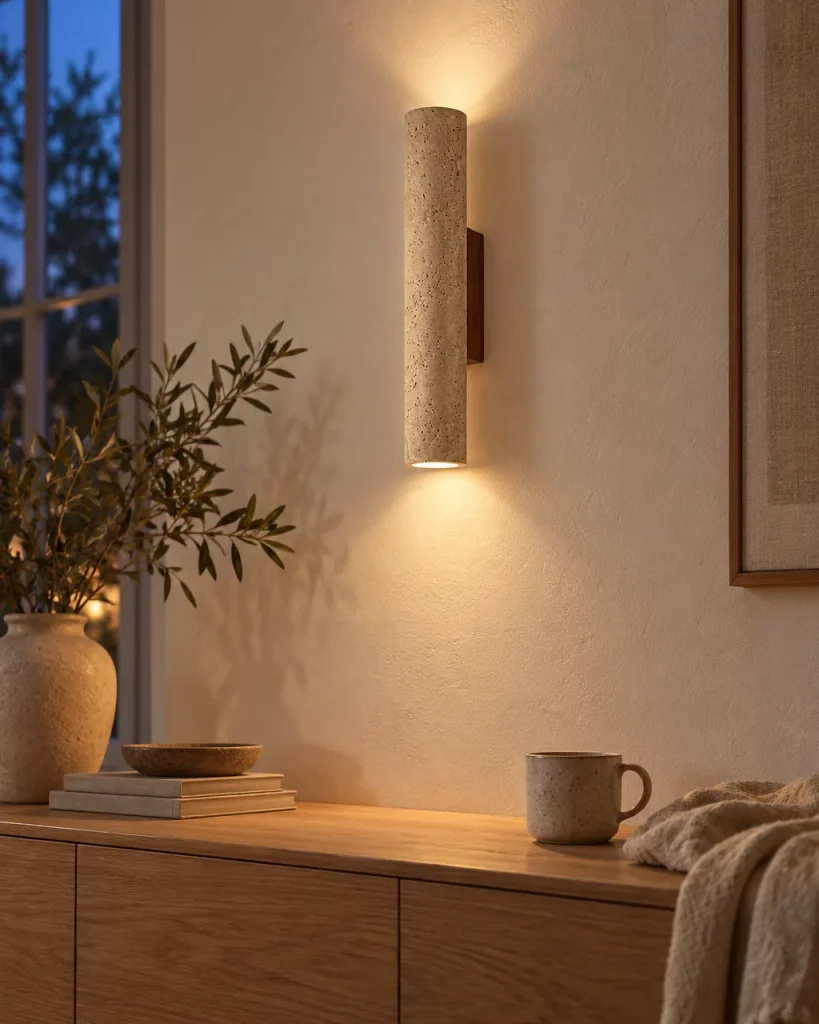
Indirect lighting in the living room means that light falls on a wall or ceiling first and is reflected back into the room from there, softly and without glare. The easiest ways to achieve it are up-and-down wall lights at a height of 160 to 180 cm, slim light bars 10 to 30 cm in front of the wall, and backlit wall lights whose light source stays hidden. Plan indirect light as a second layer alongside the general lighting, because on its own it isn’t enough for reading or playing.
What is indirect lighting, and how does it differ from direct light?
Direct light falls straight onto the table, book or floor. It is efficient, casts clear shadows and can dazzle if you look into the light source. Indirect light is reflected off a surface. The wall or ceiling itself becomes a large, soft light source, shadows become faint, and the room looks higher and more spacious.
| Type of light | How it looks | Typical lights | Good for |
|---|---|---|---|
| Direct | bright, directed, clear shadows | spotlights, reading lamps, pendants with open shades | reading, eating, working |
| Diffused | soft all round, hardly any shadows | opal glass, paper, fabric shades | general light, cosiness |
| Indirect | very soft, glare-free, room looks bigger | up-and-down wall lights, light bars, backlit wall lights | mood, watching TV, evening light |
A well-lit living room mixes all three. We explain the basic principle of layered lighting in our guide Lighting the living room. This guide is about the indirect layer: which lights create it, where they belong and how bright it needs to be.
Which lights create indirect light in the living room?
| Type of light | Effect of the light | Fitting and spacing | Example |
|---|---|---|---|
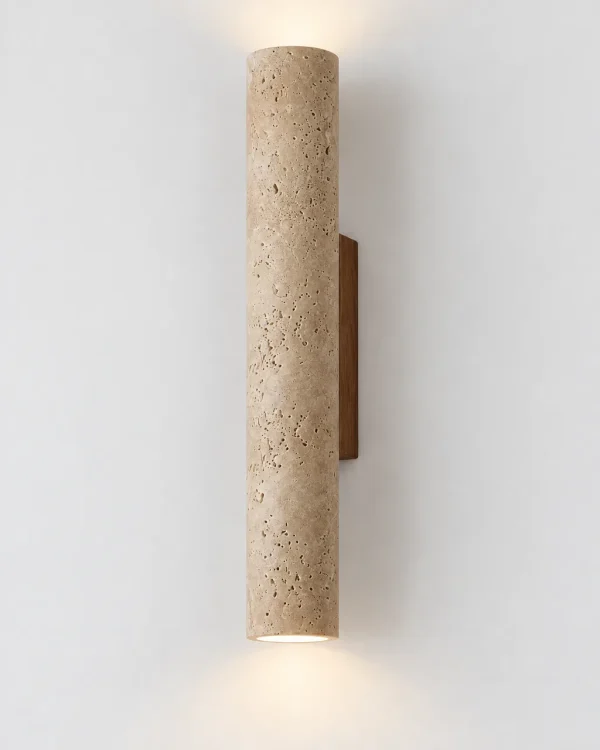
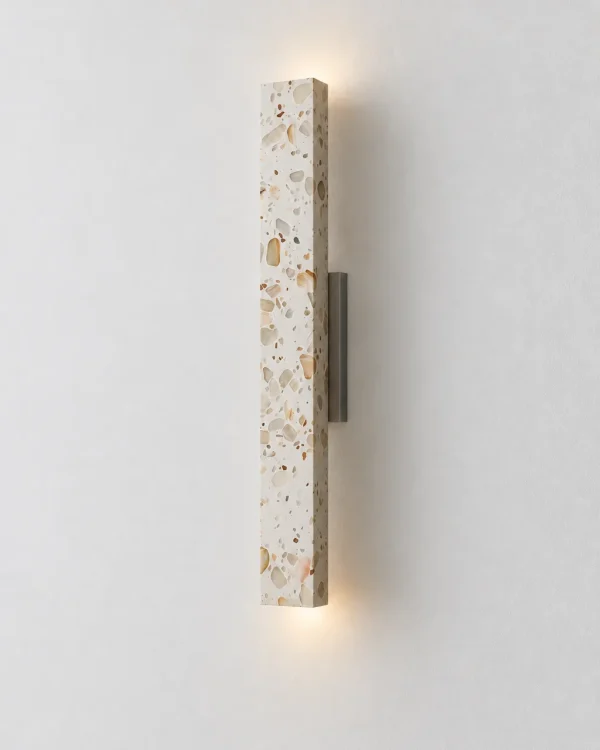
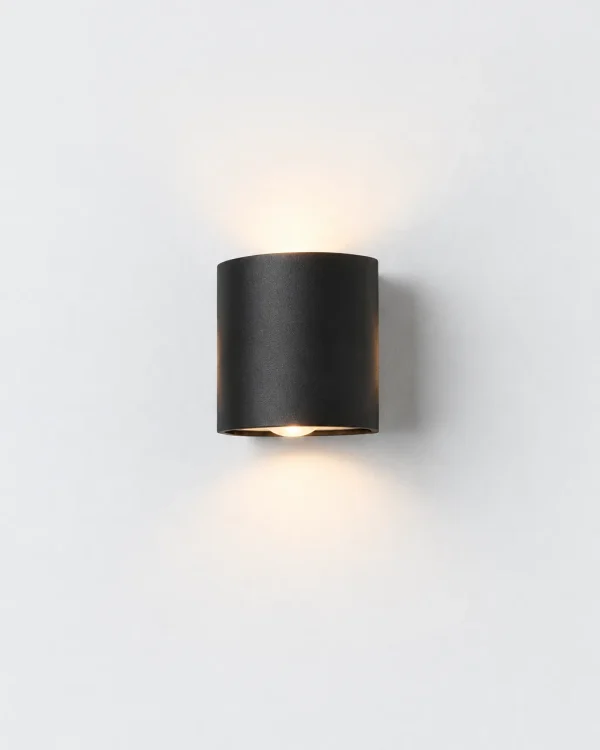
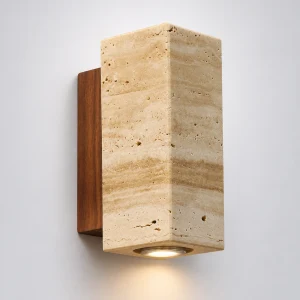
| Up-and-down wall light | two beams of light on the wall, stretches the room | centre at 160–180 cm, 2–3 m between lights | BOKI, DALA, NOSCA |
| Wall bowl (uplighter) | light upwards onto the wall and ceiling | at least 40–60 cm from the ceiling | HJALTE |
| Backlit wall light | halo or grazing light behind the object | at eye level or lower in a row | HALO, ANKA, TINDRA |
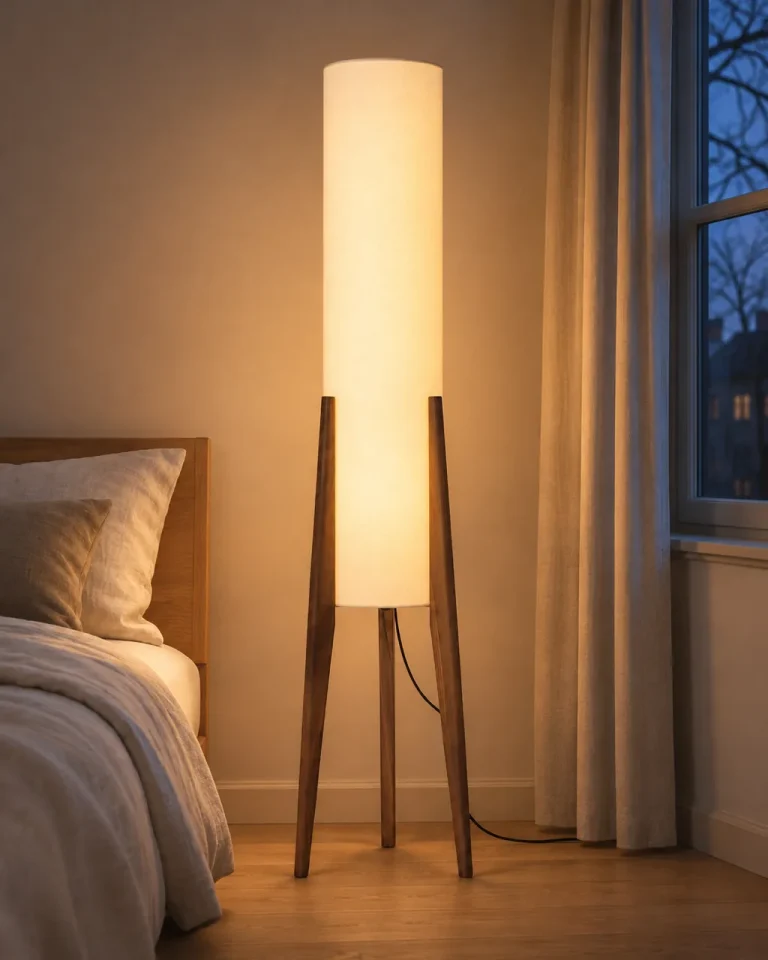
| Light bar as a floor lamp | a glowing line that brightens the wall | 10–30 cm in front of the wall or in the corner | JULA, EBBA |
| Light bar on a cable | vertical line of light without taking up floor space | tensioned between floor and ceiling | PIRA, LUMA |
| Uplighter floor lamp | all the light onto the ceiling | needs a light-coloured ceiling from about 2.40 m | classic floor lamp with a bowl |
| LED profile in a cove | an even band on the ceiling | plasterboard work and a qualified electrician needed | built-in solution |
How high should wall lights for indirect lighting be fitted?
For up-and-down wall lights in the living room, the centre of the light sits 160 to 180 cm above the floor. That way you don’t look into the light openings when standing, and from the sofa the light sits comfortably above your field of view. Leave at least 40 to 60 cm between the top of the light and the ceiling, otherwise you get a harsh spot on the ceiling instead of a soft fan of light. In a row, 2 to 3 m between the lights is ideal. The exact heights for the sofa, TV and hallway are in our guide Living room wall lights.
- BOKI is a 32 cm tall travertine cylinder (6.5 cm wide) on solid wood in a walnut tone, with two E27 lamp holders, dimmable with a compatible dimmer.
- DALA is a 60 cm tall terrazzo column (8 cm wide) whose light comes out at both ends. In pairs beside a sideboard or fireplace, it looks architectural.
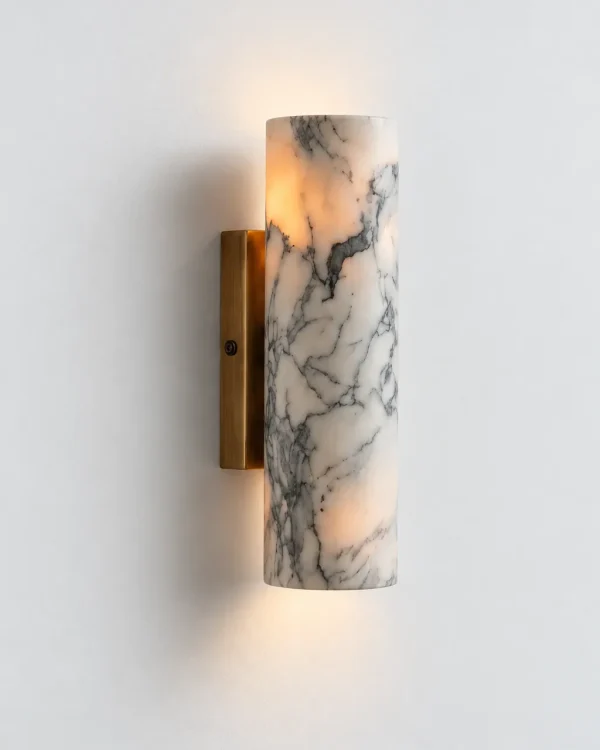
- PACHO, in Viola Calacatta marble, is 24 cm tall, projects only 9 cm from the wall and is dimmable with dimmable bulbs.
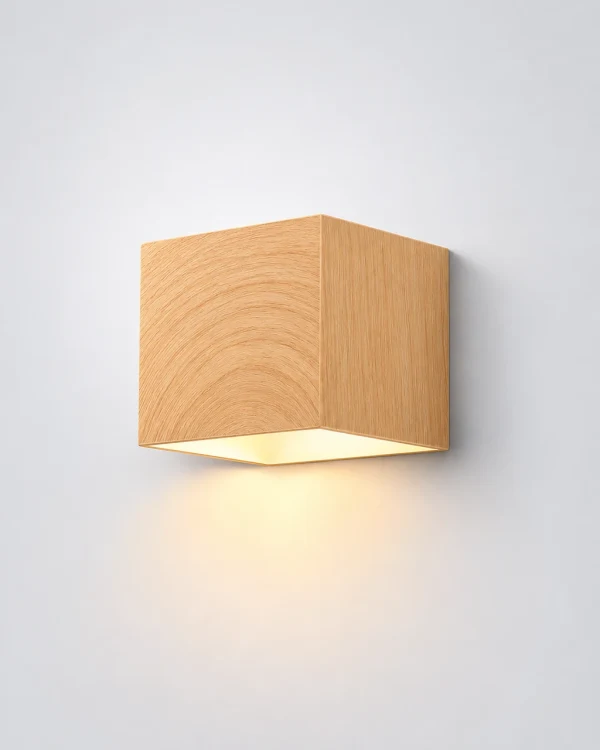
- NOSCA is an aluminium body only 4 cm deep, in six widths from 8 to 32 cm, also in warm white 3000 K. The wider versions work as a discreet mood light behind the sofa.
You will find all the models with light up and down among our living room wall lights. If you want to adjust the brightness in the evening, filter by dimmable wall lights.
Indirect lighting on the wall: grazing light for texture
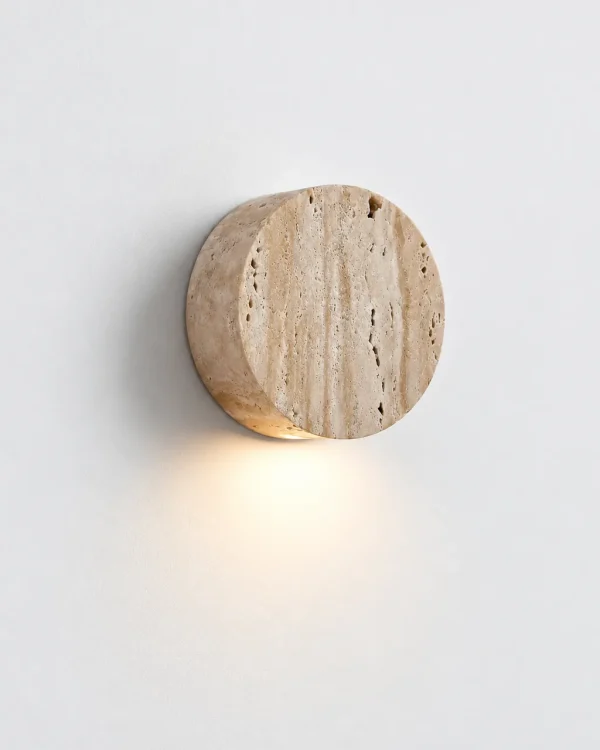
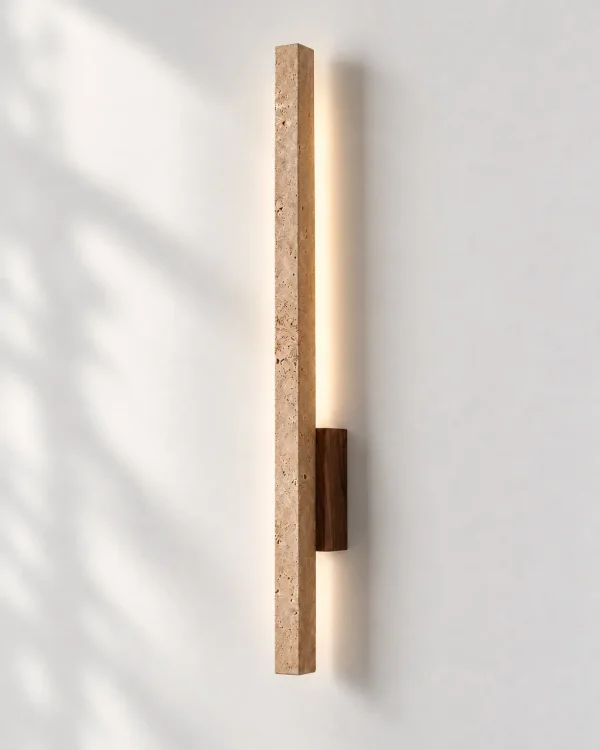
Grazing light is created when light skims very flat along the wall. It brings out every texture: lime plaster, wood panelling, natural stone. It is the most elegant form of indirect wall lighting in the living room, but also the most honest one. Unevenness in the plaster and filler edges become visible.
- HALO is a travertine disc only 10 cm in diameter. The light source is hidden behind it and, depending on how it is fitted, the light skims upwards or downwards. G4 lamp holder, LED not included.
- ANKA is a slim 2.5 cm travertine strip, 55 or 90 cm tall, with built-in LED in warm white 3000 K, which shines indirectly onto the wall from behind the stone. Dimmable with an external dimmer.
- TINDRA is a grid of wooden slats with hidden LEDs (37 × 37, 80 × 41 or 120 × 46 cm). Above the sofa, it becomes a glowing piece of wall art.
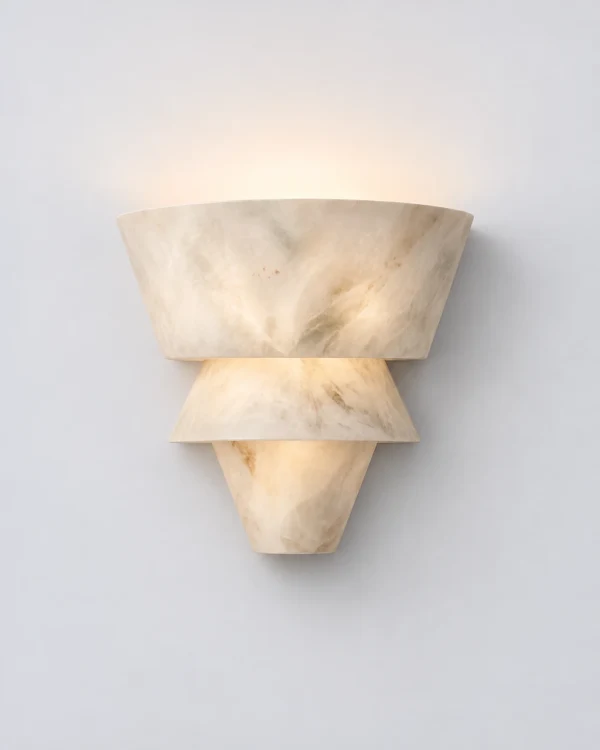
- HJALTE stacks three marble cones into a 22 cm wide wall bowl that sends its light upwards. Warm white G9 LED included.
 Collection · 71 designsTravertine & Stone Wall LightsView all 71 designs
Which floor lamp gives indirect light in the living room?
The easiest indirect lighting without drilling is a floor lamp that shines towards the wall. The classic uplighter throws all its light onto the ceiling. It works well if the ceiling is white and at least about 2.40 m high. Slim LED light bars, which draw a vertical line of light on the wall, take up less space.
- JULA has a 150 cm long light bar only 1.6 cm in diameter on a Ø 20 cm base. A side diffuser directs the light towards the nearby wall.
- EBBA is an opal light bar on an 8 cm wide base, 100, 140 or 160 cm tall, powered via USB-C.
- PIRA and LUMA are light bars 80 or 120 cm long that are tensioned on a wire or cable between floor and ceiling. They need no base and fit into narrow alcoves.
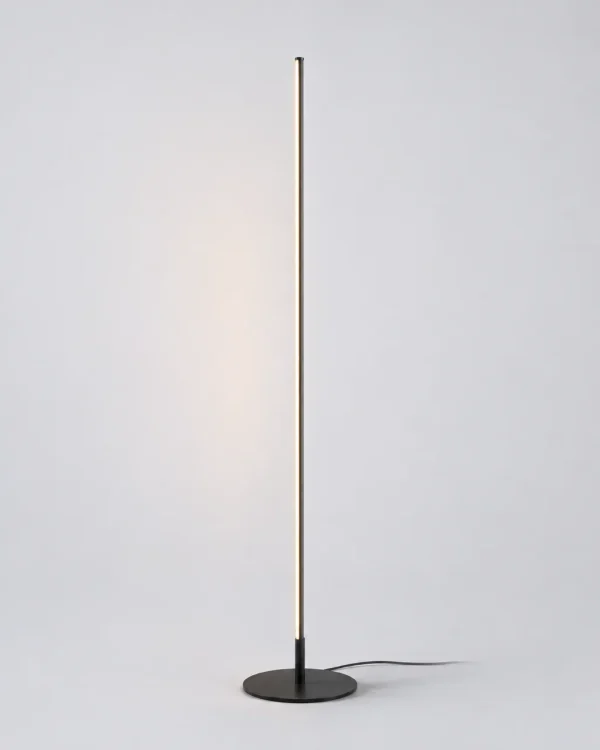
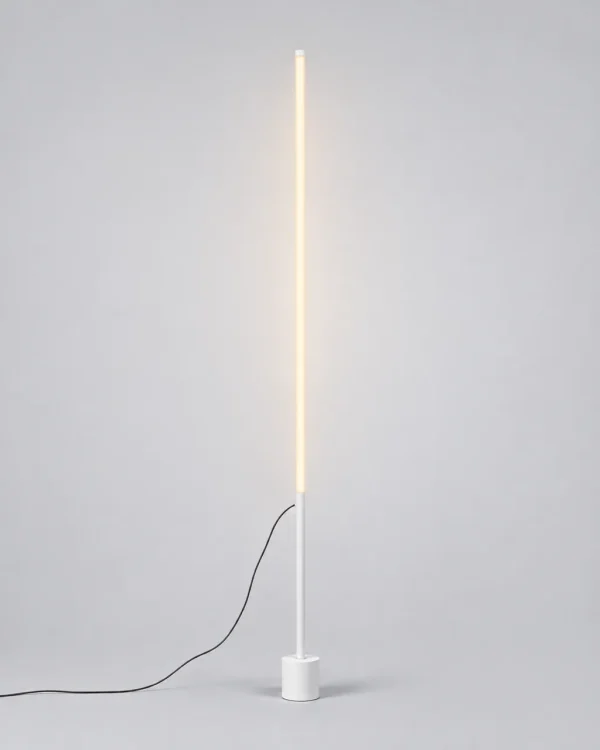
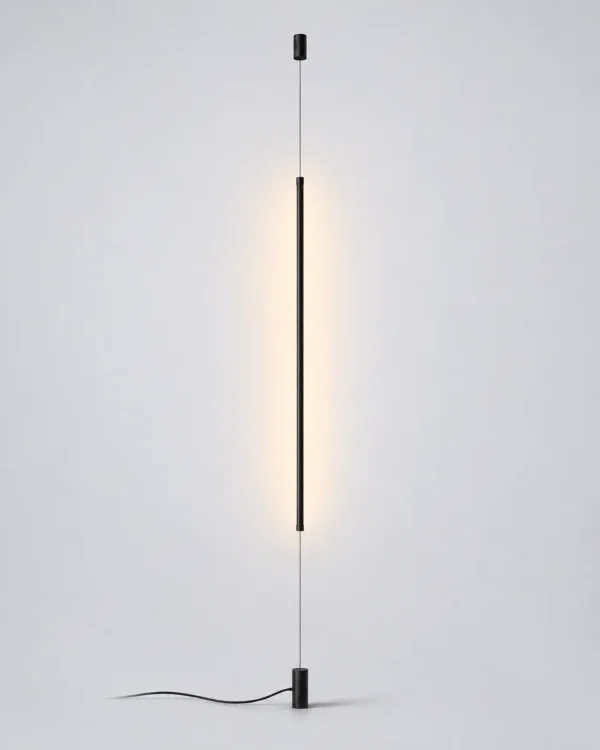
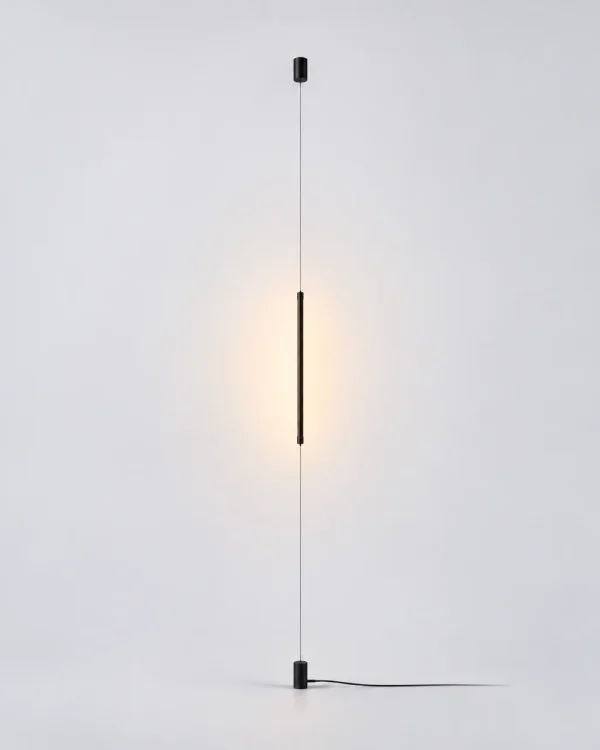
Place a light bar 10 to 30 cm in front of the wall or right in a corner of the room. In the corner, the effect doubles, because two wall surfaces reflect the light. How to find the right floor lamp for the sofa and reading corner is shown in our guides Floor lamps for the living room and Arc floor lamps. There are more models among our living room floor lamps.
How do you get indirect ceiling lighting in the living room right?
Indirect ceiling lighting makes the ceiling itself glow. There are three ways to do it:
- A cove with an LED profile: a dropped plasterboard edge hides an LED strip that shines towards the ceiling. The result is an even band of light, but it needs plasterboard work and a qualified electrician.
- Wall lights that shine upwards: up-and-down models and wall bowls such as HJALTE brighten the upper part of the wall and the ceiling without any building work. Keep 40 to 60 cm from the ceiling.
- Ceiling lights that shine towards the ceiling: with ILSE, the light shimmers between curved wooden slats and draws a warm ring of stripes on the ceiling, while an opal acrylic disc shines downwards. INKA sends light downwards and to the sides, making its wooden grid visible.
White ceilings reflect most of the light; dark ceilings absorb it. With a coloured or wood-clad ceiling, plan more lumens or rely on wall light instead of ceiling light. You will find more wooden models among our wooden ceiling lights.
How much light does a living room with indirect lighting need?
For a living room, allow 100 to 150 lumens per square metre in total, from all the lights together. Indirect light loses some of its brightness with every reflection. If it has to light the room on its own, you need considerably more lumens than with direct light. As a mood layer, a third to a half of the total is enough.
| Living room | Total lumens | Of which indirect (mood) | Example |
|---|---|---|---|
| 12 m² | 1,200–1,800 lm | 400–900 lm | 2 up-and-down wall lights |
| 20 m² | 2,000–3,000 lm | 700–1,500 lm | 2 wall lights and 1 light bar in the corner |
| 30 m² | 3,000–4,500 lm | 1,000–2,200 lm | 3–4 wall lights, 1–2 light bars, grazing light on a feature wall |
Choose the same colour temperature for all the indirect lights, in the living room 2700 to 3000 K. If you mix 3000 K on the wall with 4000 K on the ceiling, the room looks patchy. More on this in our guide Colour temperature, kelvin and lumens. Whether a light is dimmable is always stated in the product description. The differences between built-in LED and replaceable bulbs are explained in our guide Dimmable LED ceiling lights.
Ideas for indirect lighting in the living room
- Behind the sofa: two up-and-down lights, each 20 to 40 cm inside the ends of the sofa, centre at 150 to 170 cm. The light frames the seating area without dazzling.
- Beside the TV: indirect light to the side of or behind the screen is easier on the eyes when watching TV, because it reduces the contrast between the bright picture and the dark wall. The light must not reflect in the screen.
- By the bookcase: two slim strips like ANKA to the left and right of the shelves draw a calm edge of light.
- In an empty corner: a light bar or a light column such as KAJA in ribbed glass (125 or 155 cm, warm white LED) brings the dark corner into the room.
- Above the sideboard: a pair of wall lights that shine up and down, or a glowing object like YLVA made of twisted wooden slats (110 or 145 cm).
- By the window: light falling on the curtain turns the black hole of the window into a warm surface in the evening.
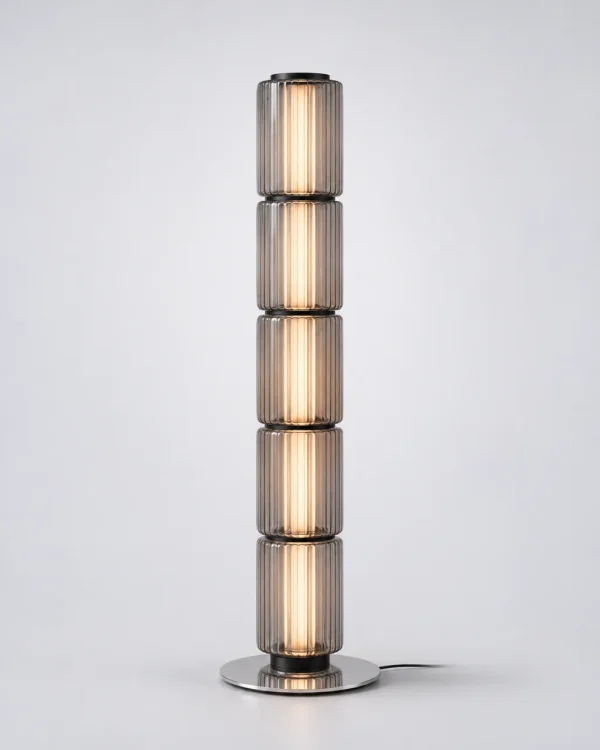
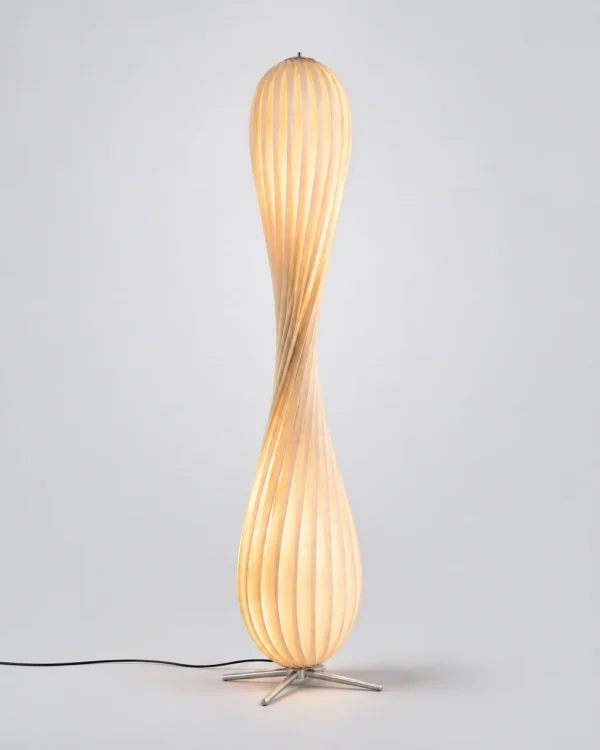
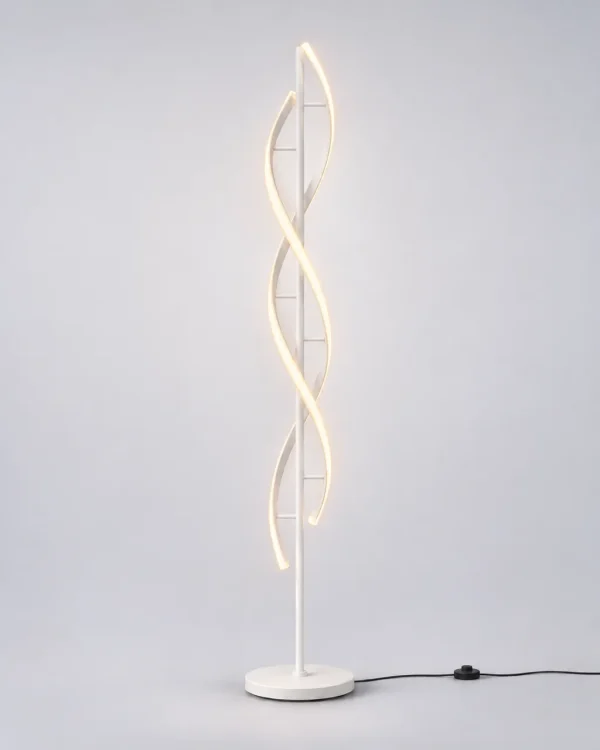
ILVA also suits the corner: two bands of light spiral upwards, the light is dimmable with three adjustable colour temperatures, and it stands 152 cm tall. A paper globe adds soft general light from above, as described in our guide Paper lamps. How a pendant light works beside the sofa or over the coffee table is shown in our guide Pendant lights for the living room.
Which mistakes should you avoid with indirect light?
- Only indirect light: without a reading lamp or table lamp, the sofa lacks directed light.
- Too close to the ceiling: at less than 40 cm, you get a harsh, bright spot.
- Dark walls: anthracite or dark green reflect little. There, indirect light works as an accent, but not as room light.
- Glossy surfaces: high-gloss paint reflects the light source, while matt wall paint spreads it.
- Mixed colour temperatures: one colour temperature for all the lights in the room.
Frequently asked questions
What is indirect lighting in the living room?
Indirect lighting directs light onto a wall or ceiling first, which reflects it softly back into the room. The light source itself stays hidden or doesn’t dazzle. Typical examples are up-and-down wall lights, backlit wall lights, light bars and uplighters.
Is indirect lighting enough as the only light in the living room?
As mood light yes, as task light no. For reading, playing or crafts, you also need directed light, such as a reading lamp by the armchair. Plan indirect light as one of two or three layers of light.
At what height should up-and-down wall lights be fitted?
In the living room, the centre of the light usually sits 160 to 180 cm above the floor, and above the sofa 150 to 170 cm. Leave at least 40 to 60 cm to the ceiling. With several lights on one wall, 2 to 3 m apart is ideal.
How can I get indirect lighting without an electrician?
The easiest way is with floor lamps and light bars that shine towards the wall, such as JULA or EBBA. Plug-in wall lights can also be fitted without a wall wiring point. Hardwired lights or an LED profile in a cove, on the other hand, are a job for a qualified electrician.
Which colour temperature is ideal for indirect lighting?
In the living room, warm white at 2700 to 3000 K feels cosiest. Choose the same colour temperature for all the lights in the room, so that the walls and ceiling look consistent. Neutral white at 4000 K is better suited to work areas.
Is indirect lighting good for watching TV?
Yes, a soft light to the side of or behind the screen reduces the contrast between the bright picture and the dark room. Many people find that easier on the eyes. Make sure no light is reflected in the screen.