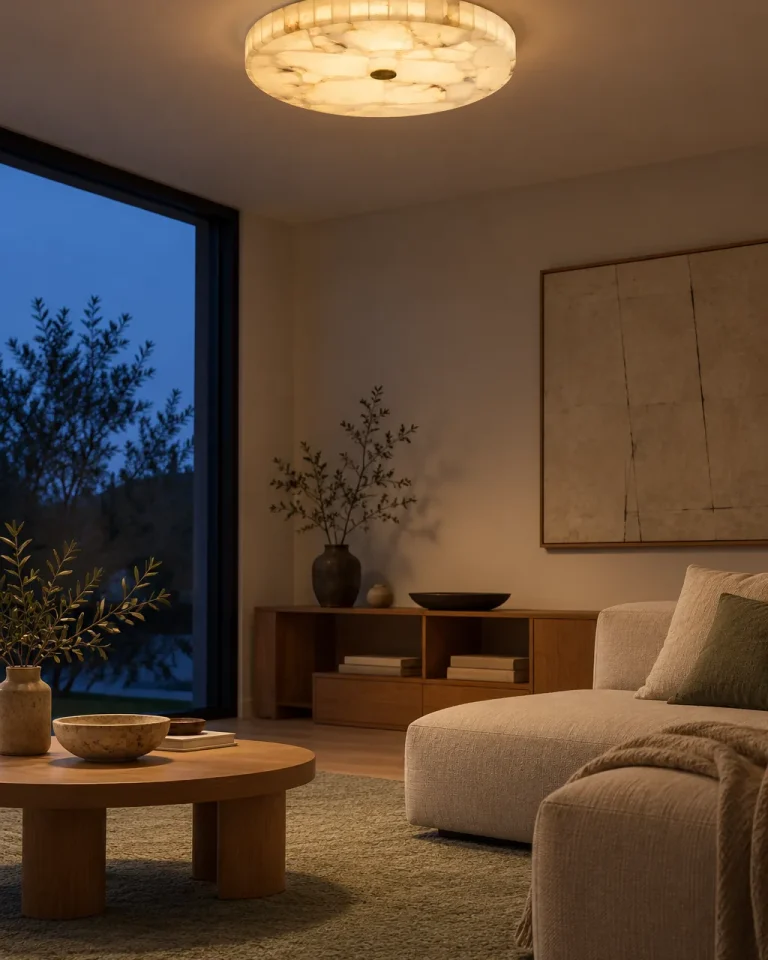
Living Room Ceiling Lights
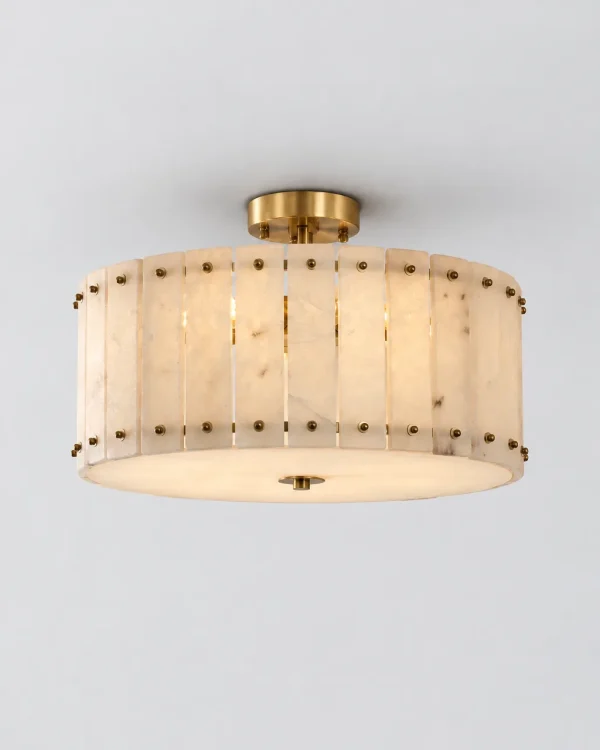
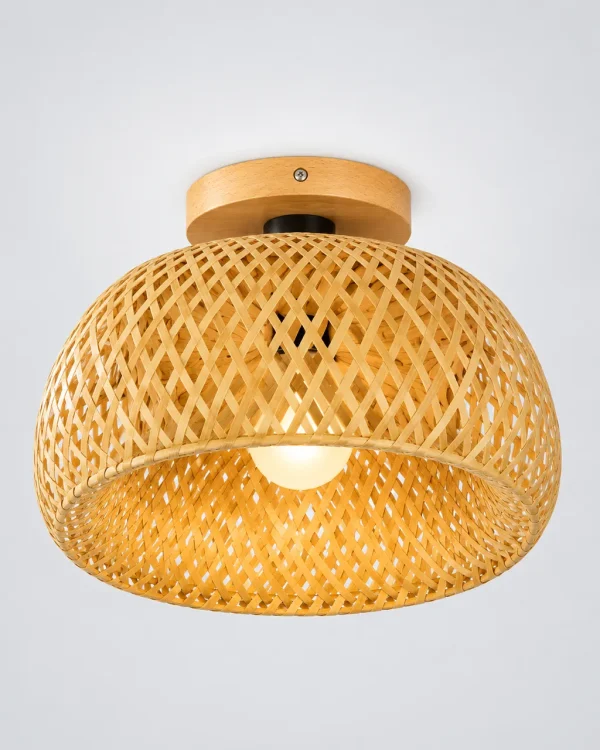
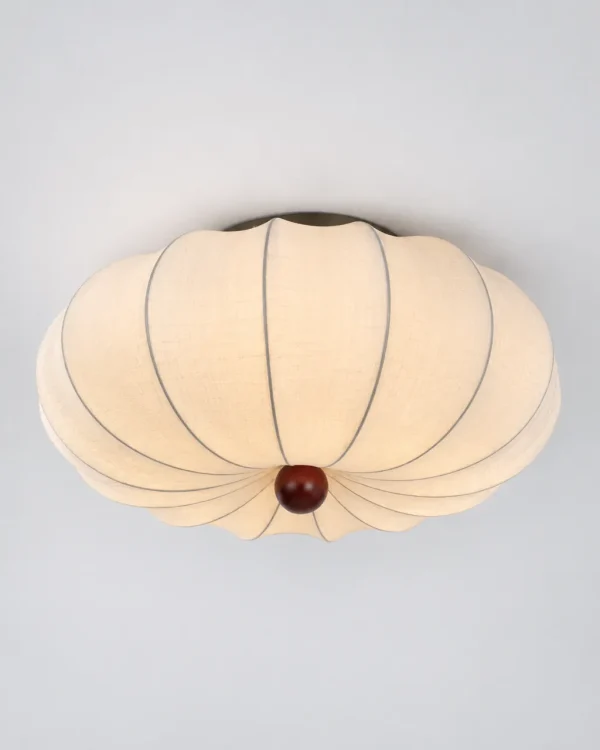
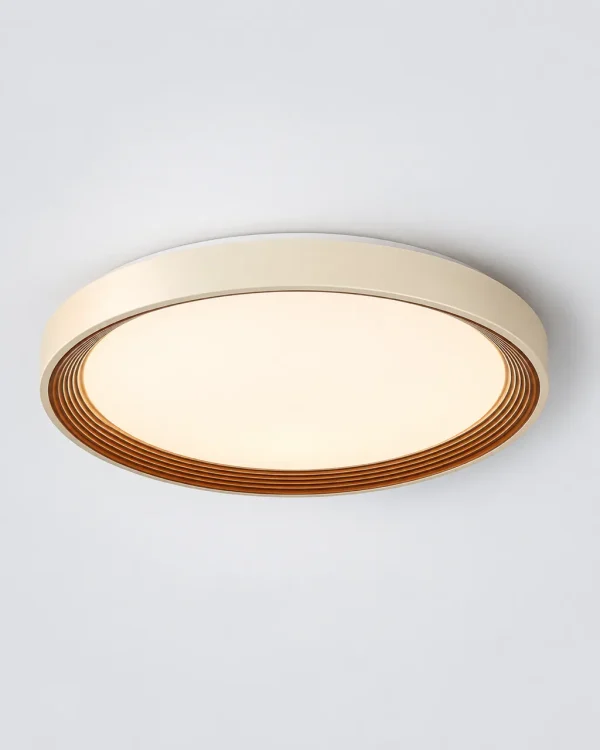
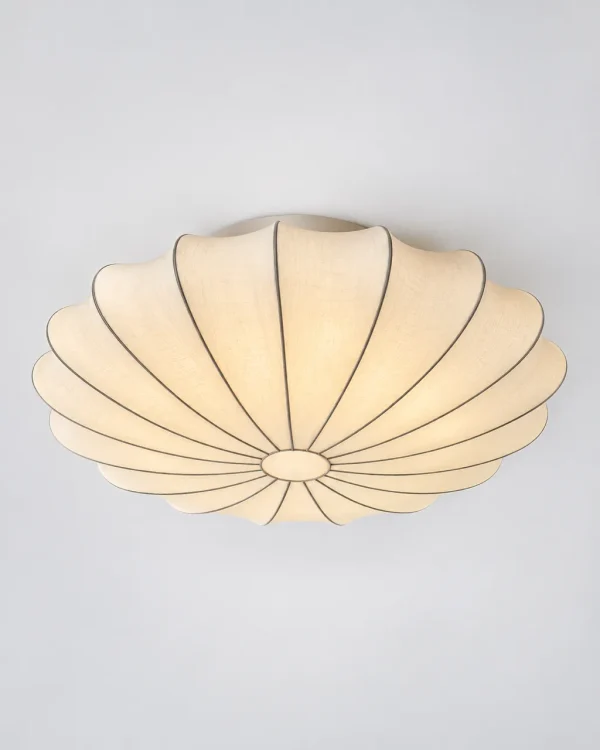
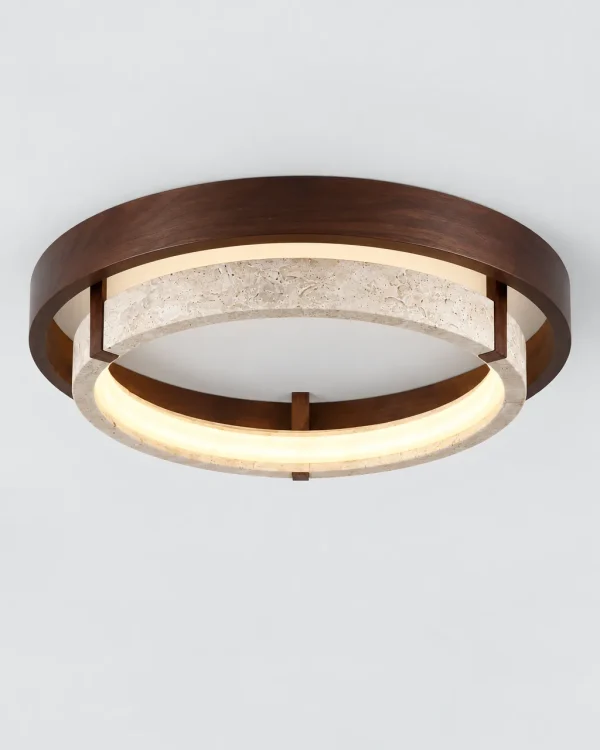
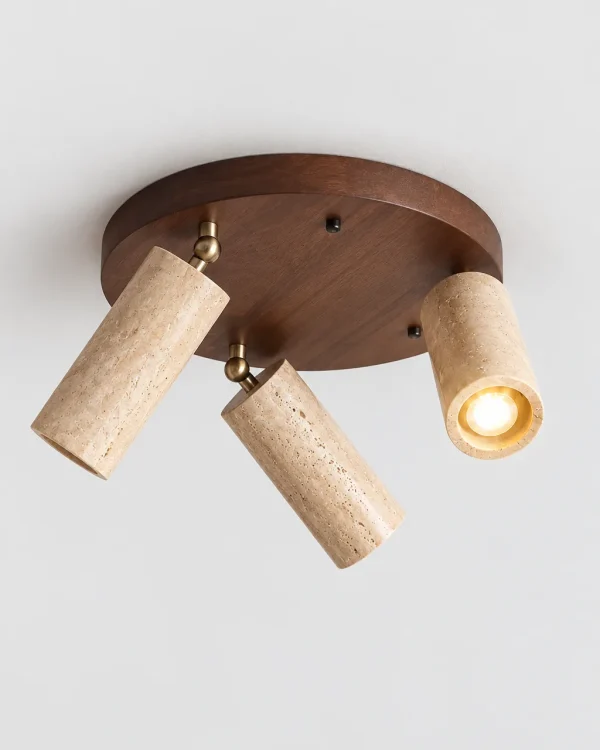
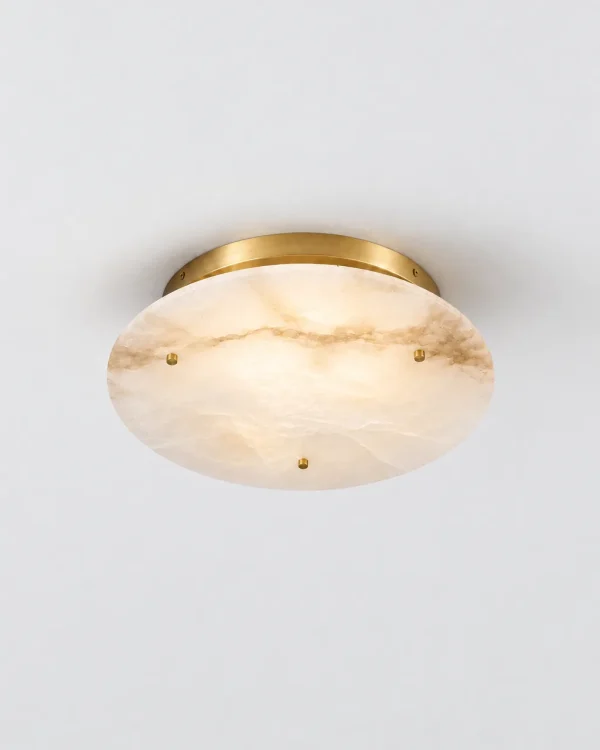
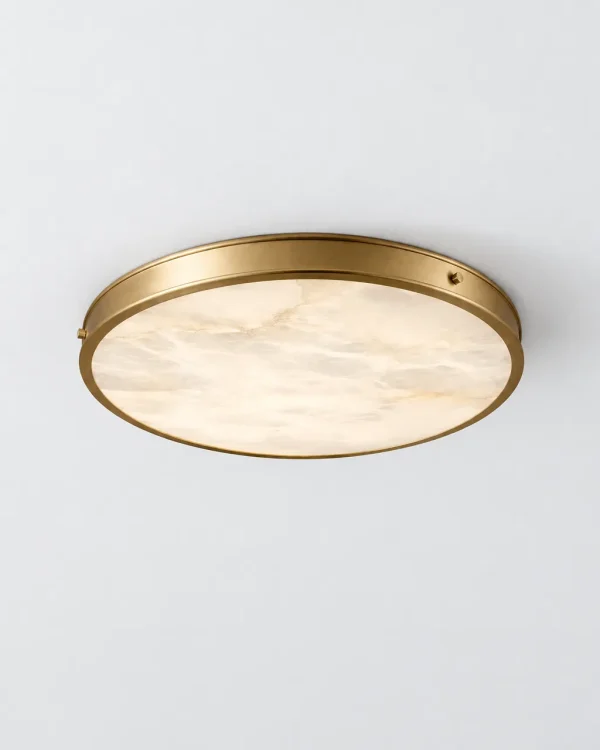
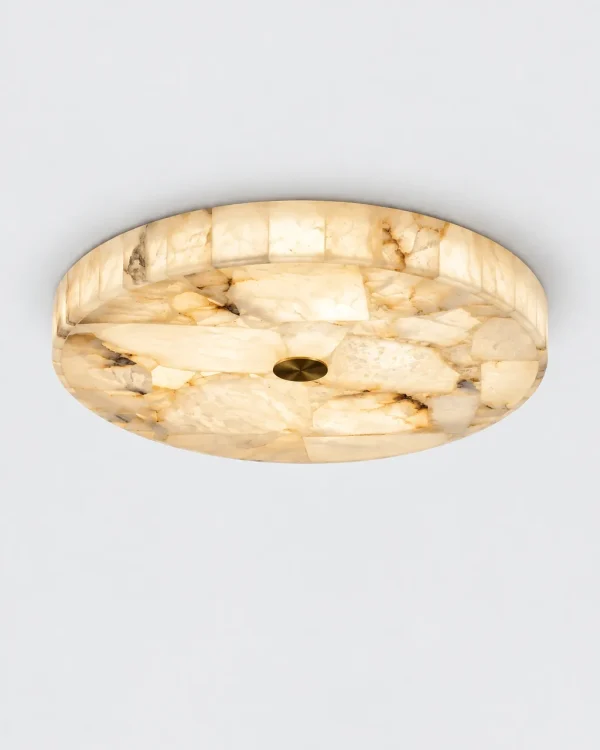
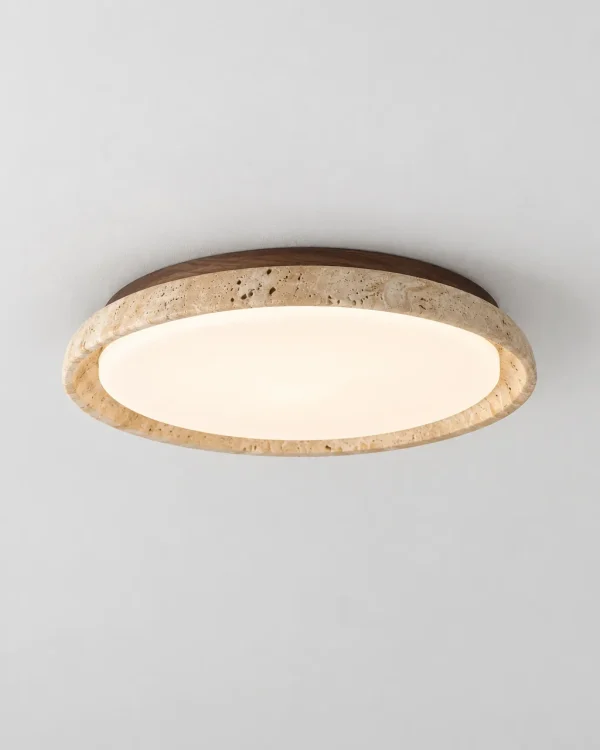
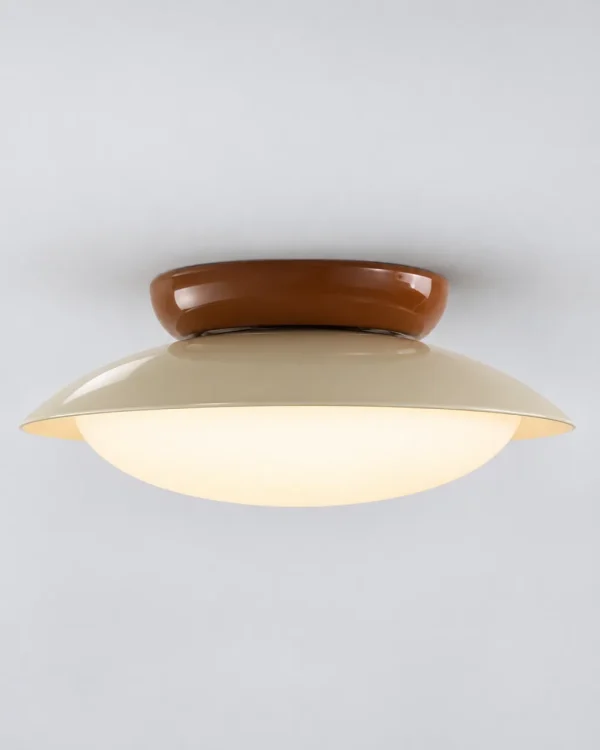
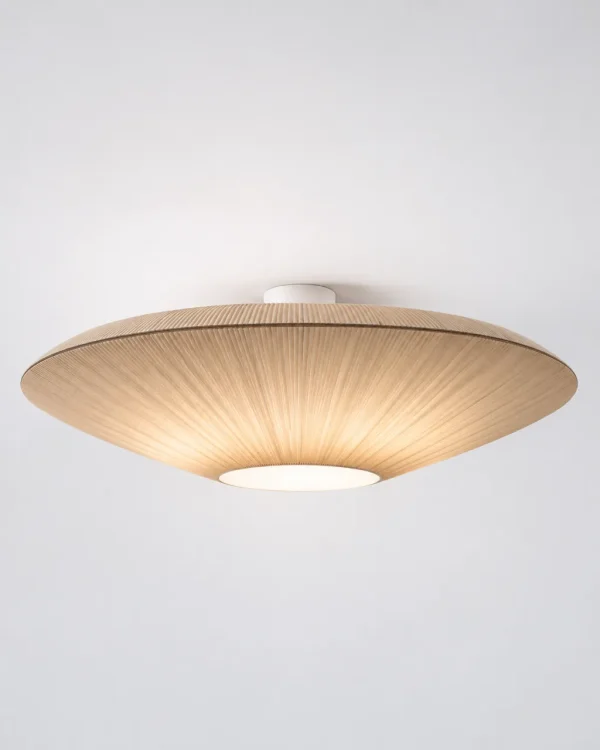
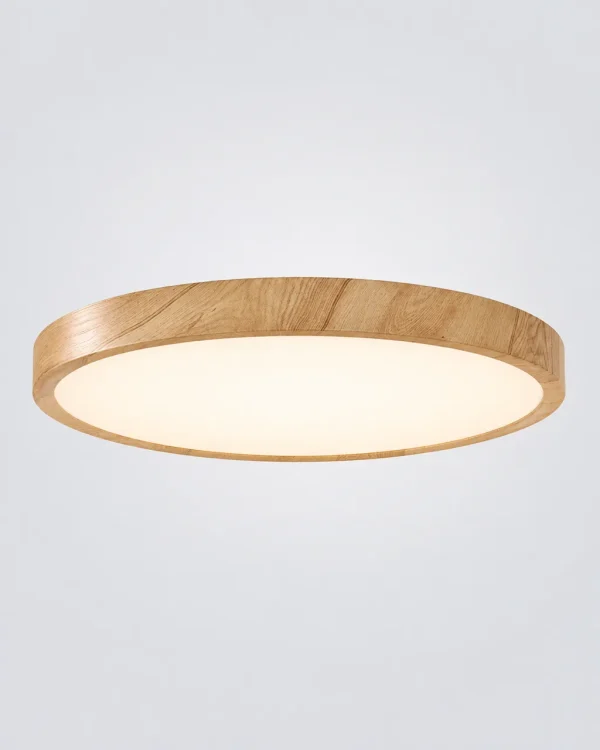
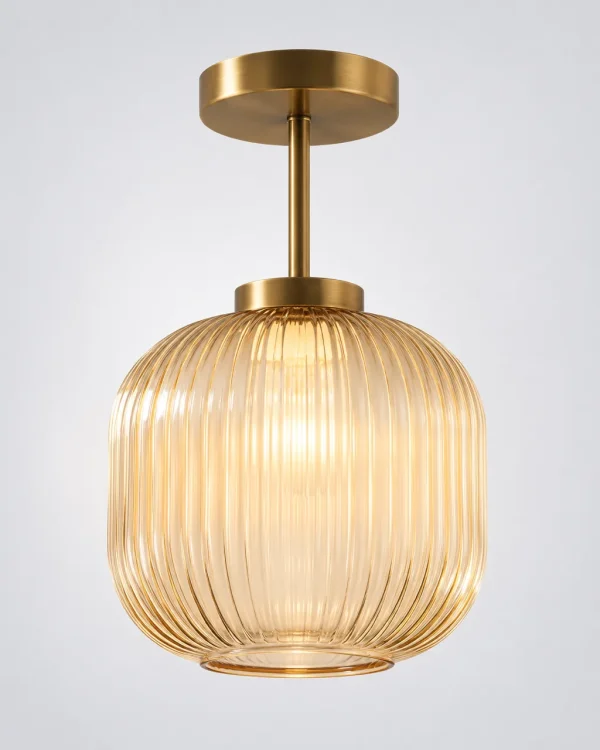
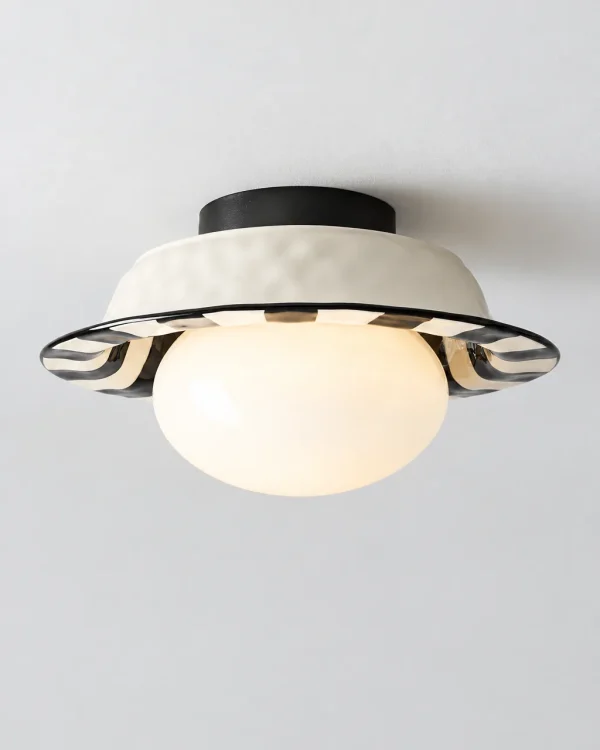
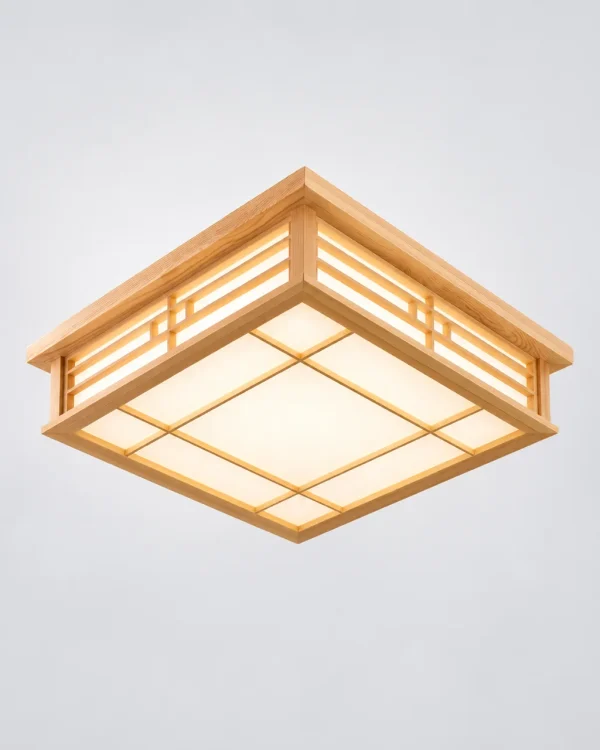
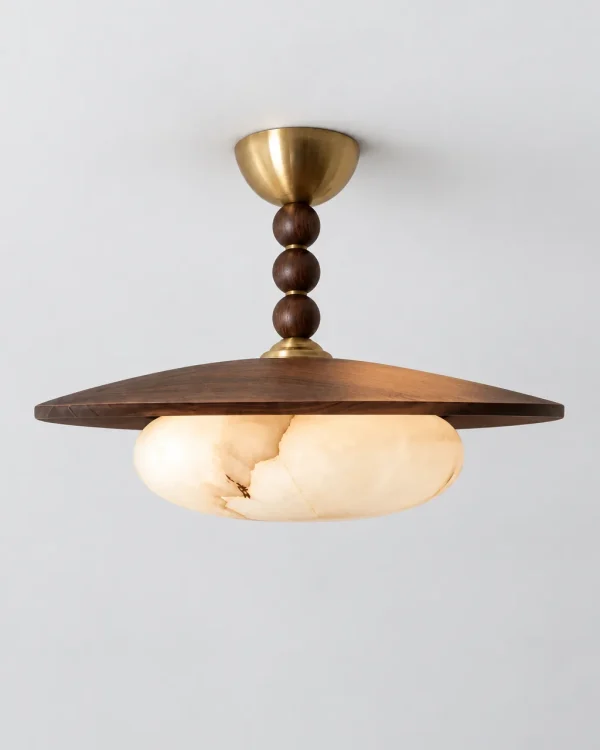
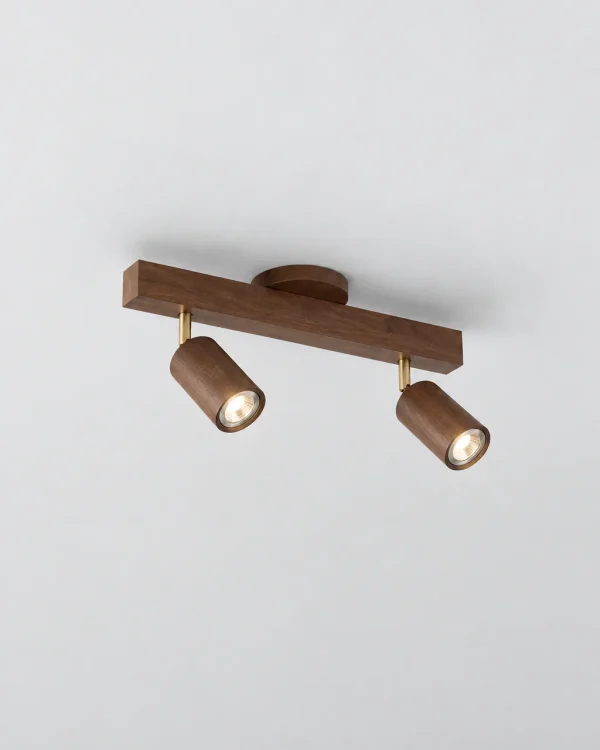
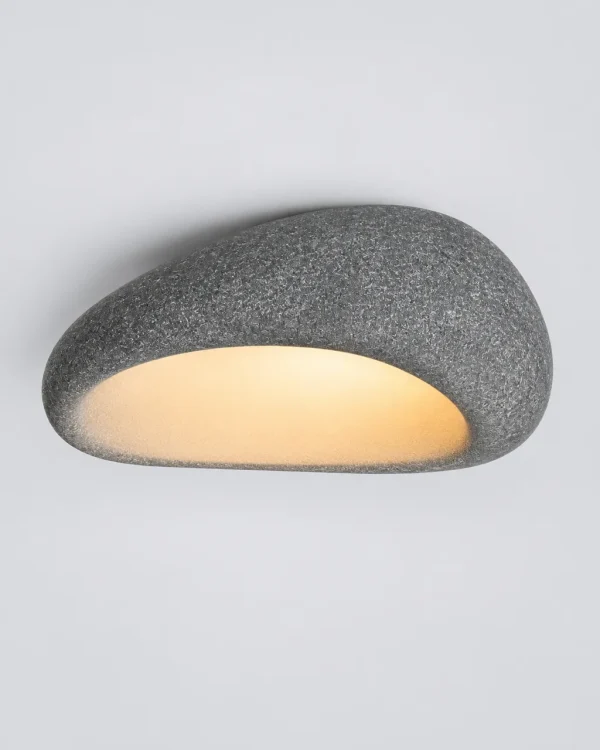
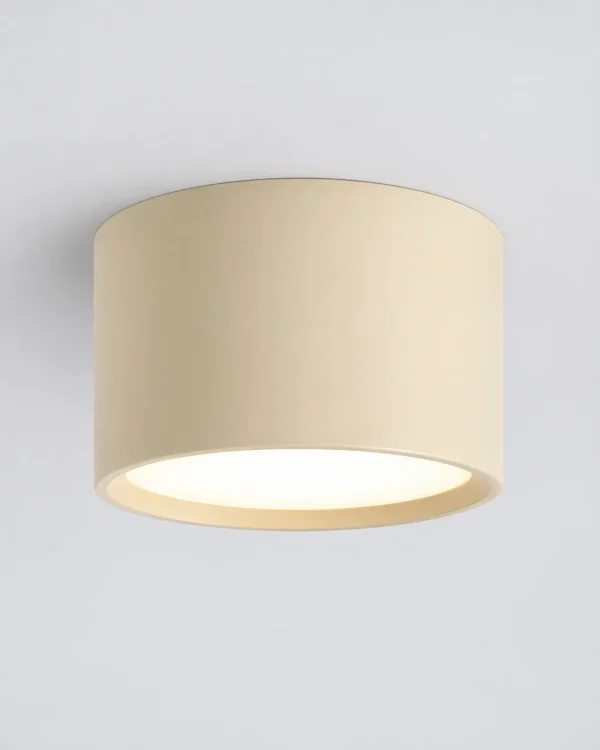
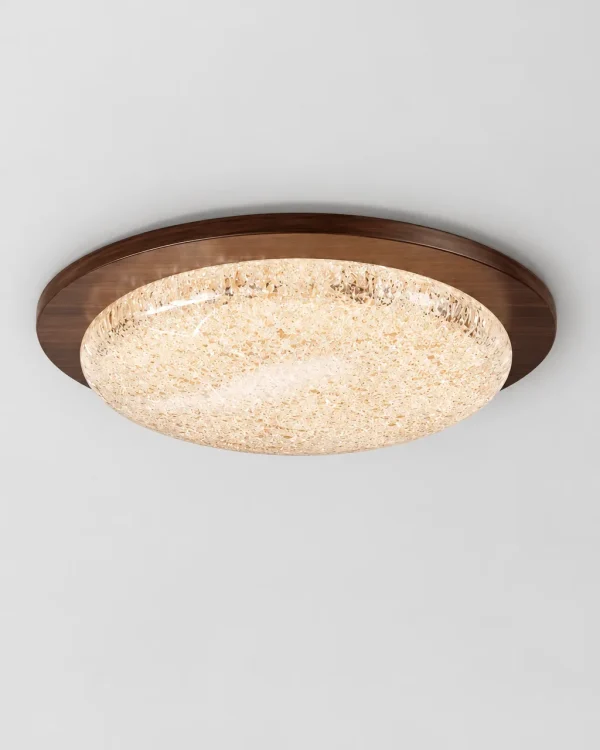
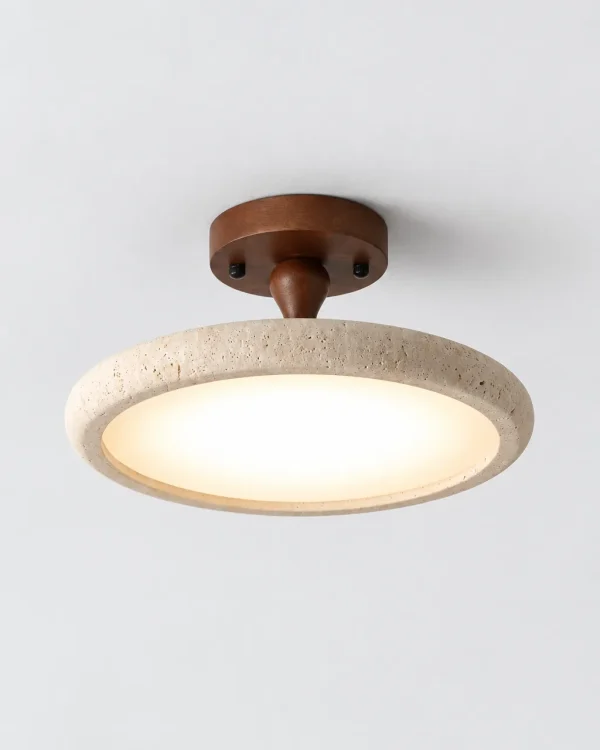
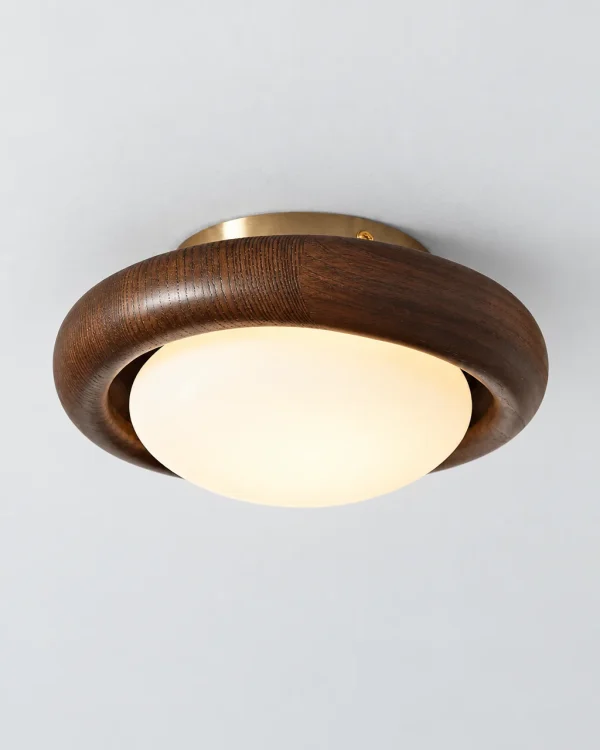
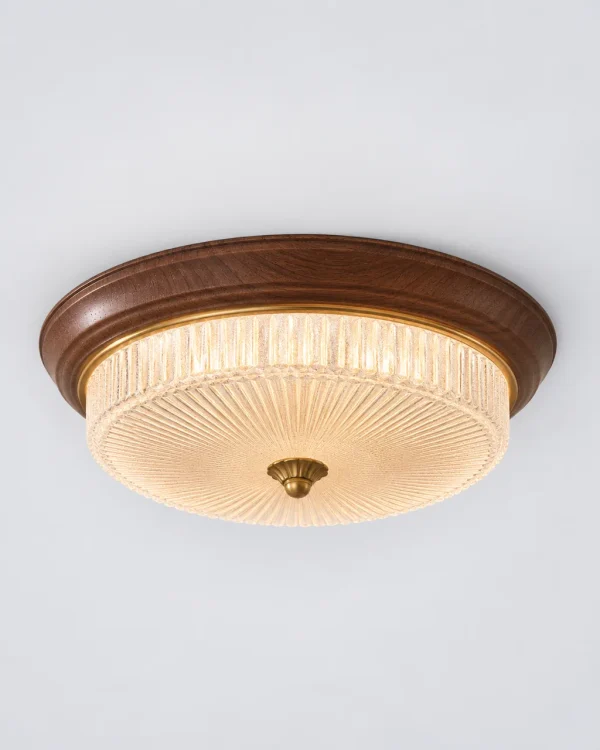
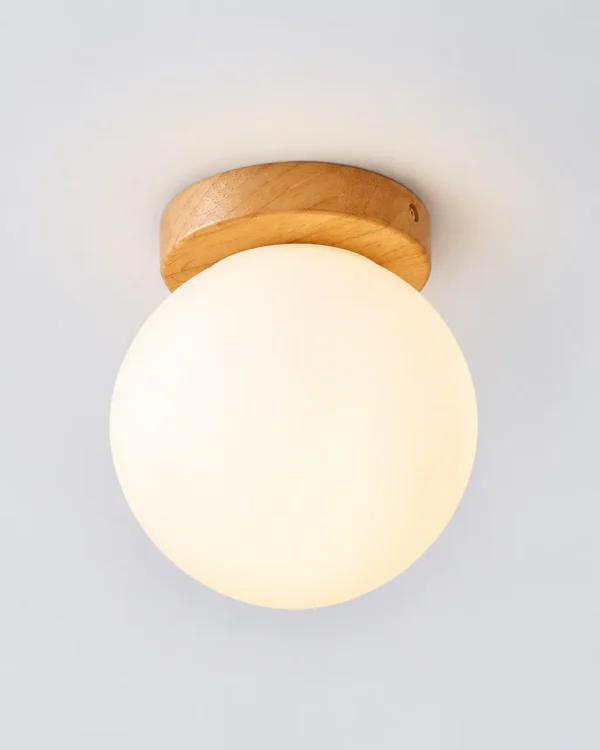
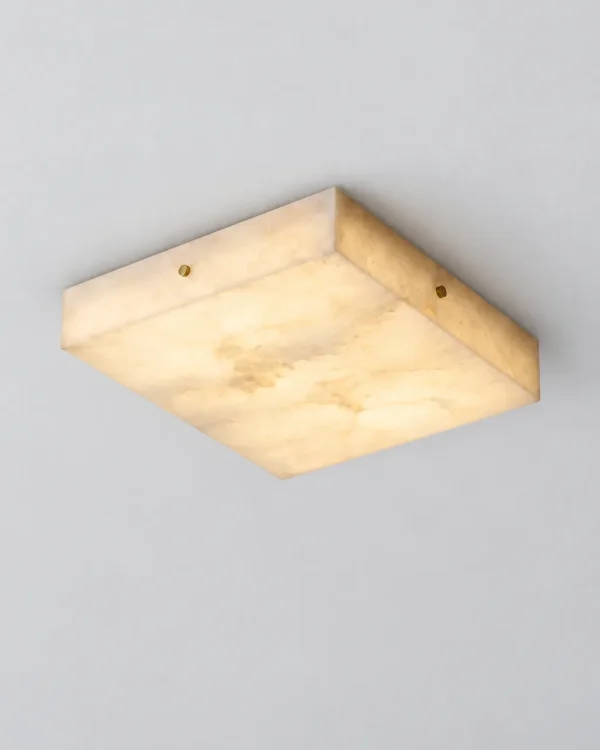
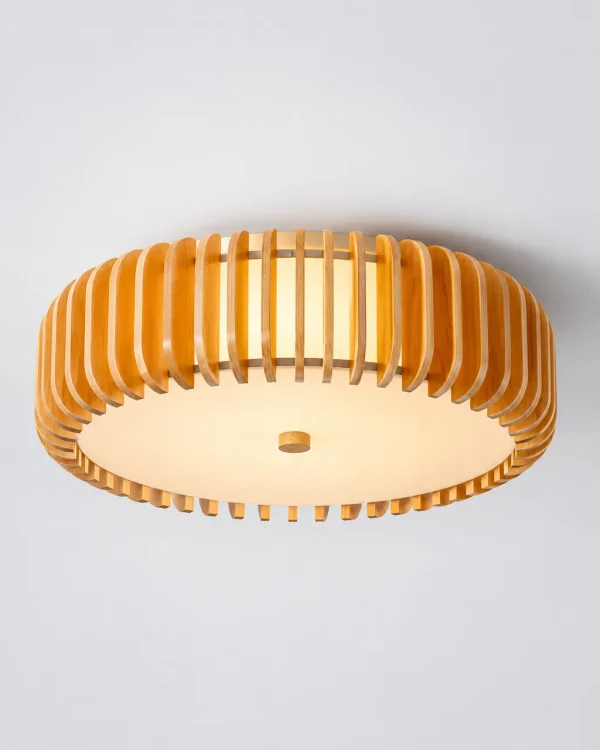
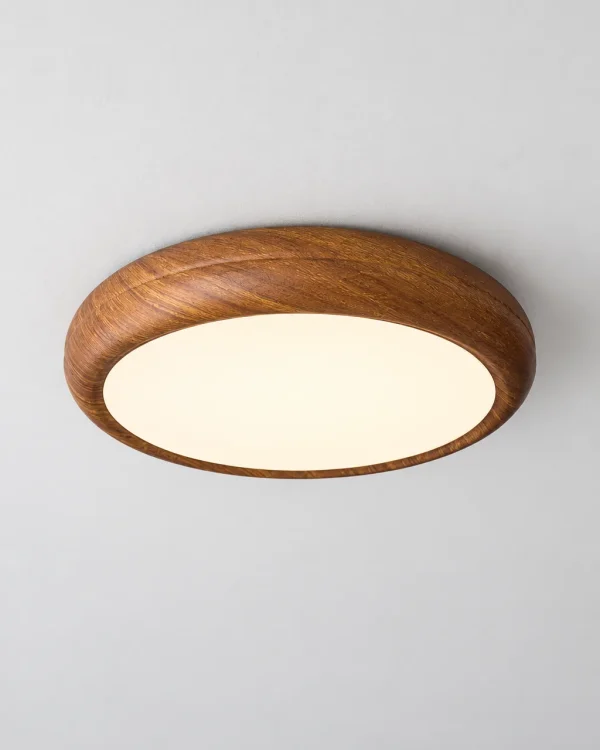
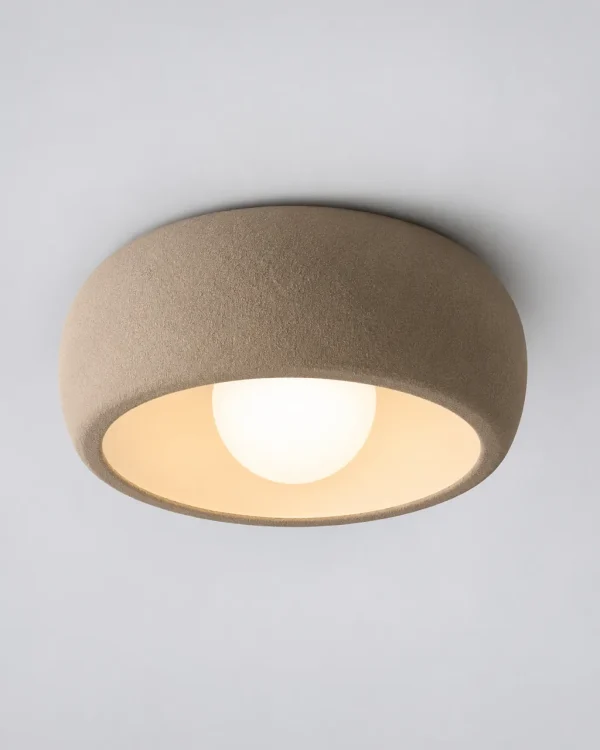
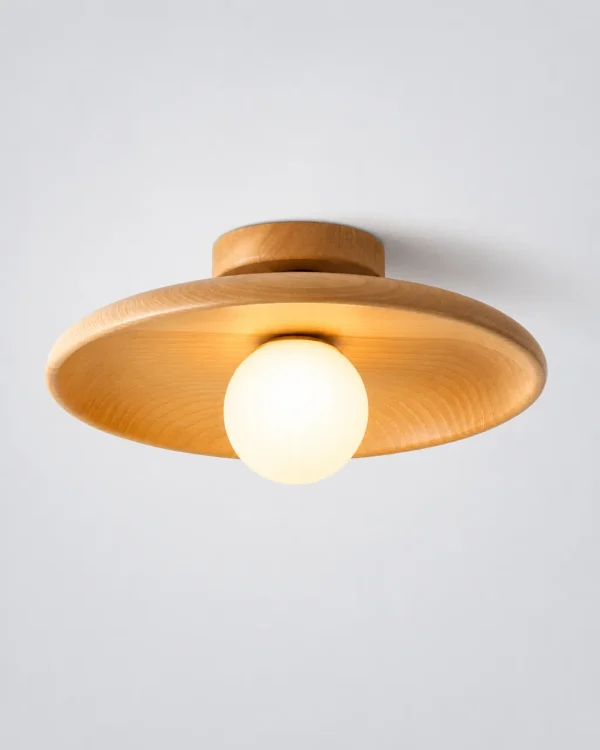
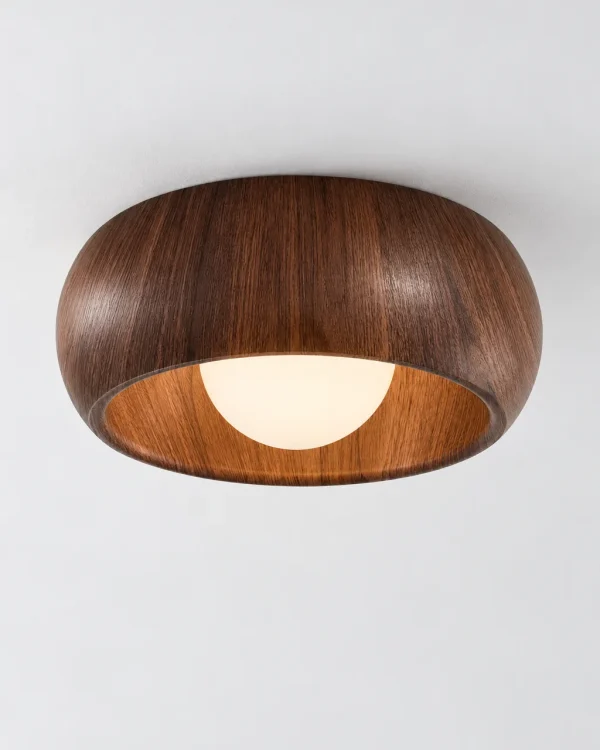
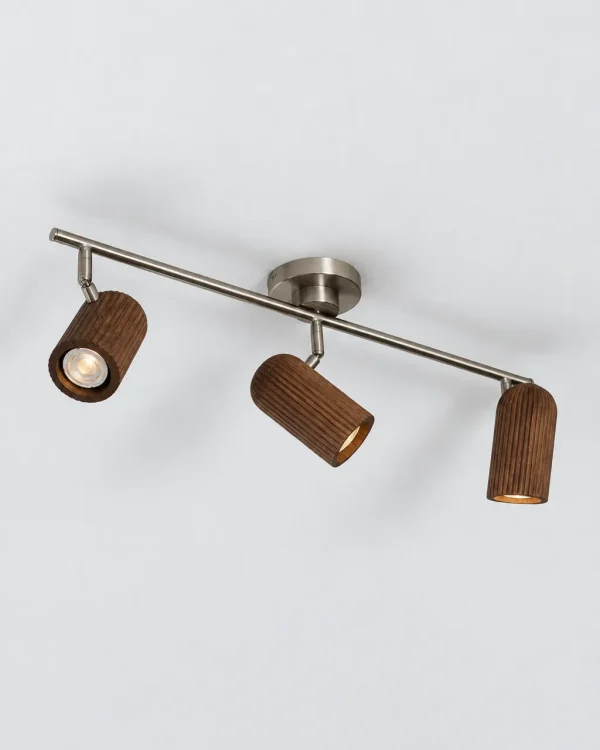
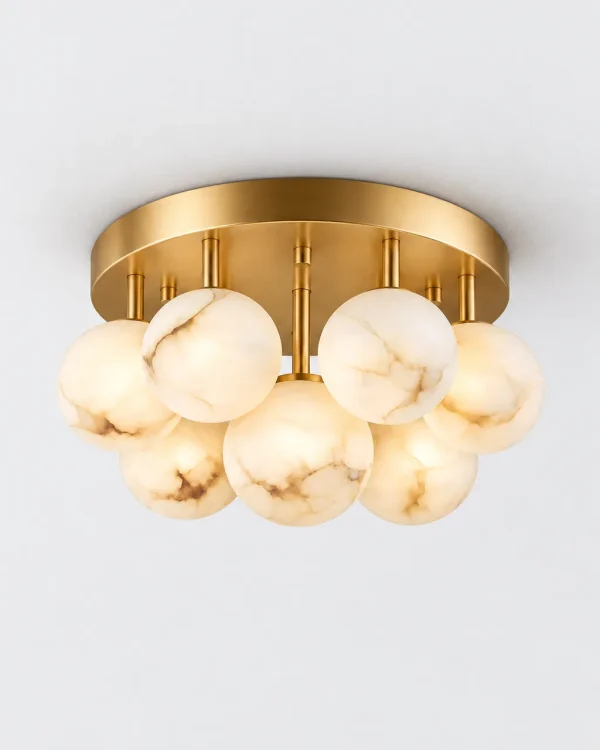
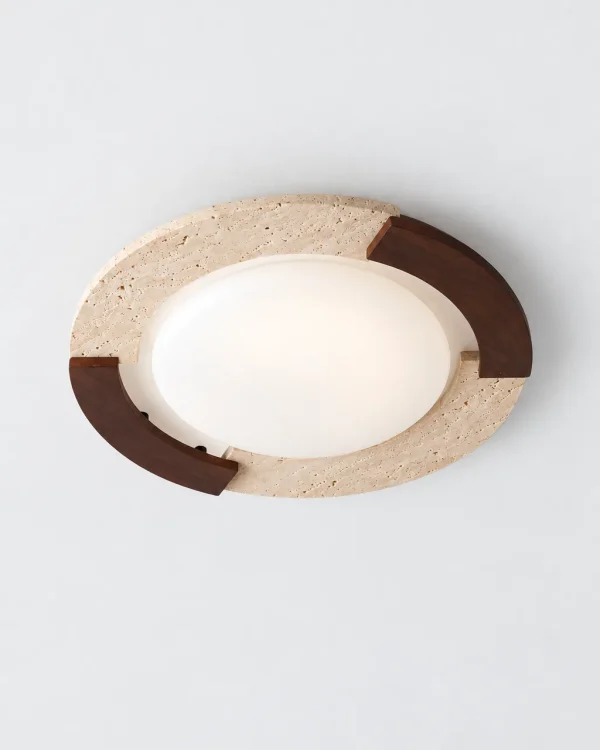
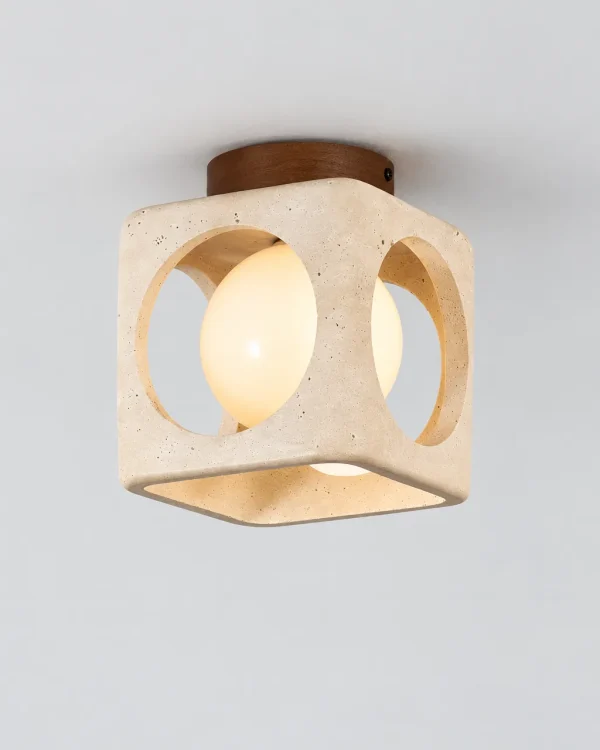
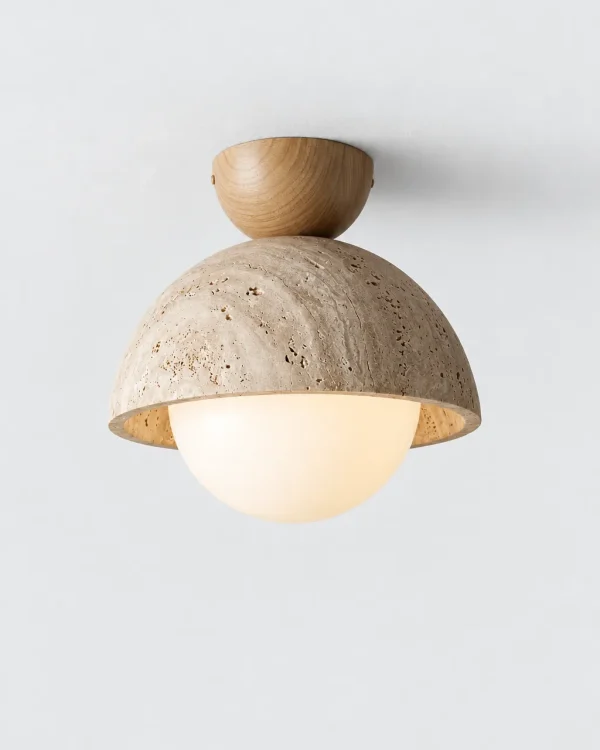
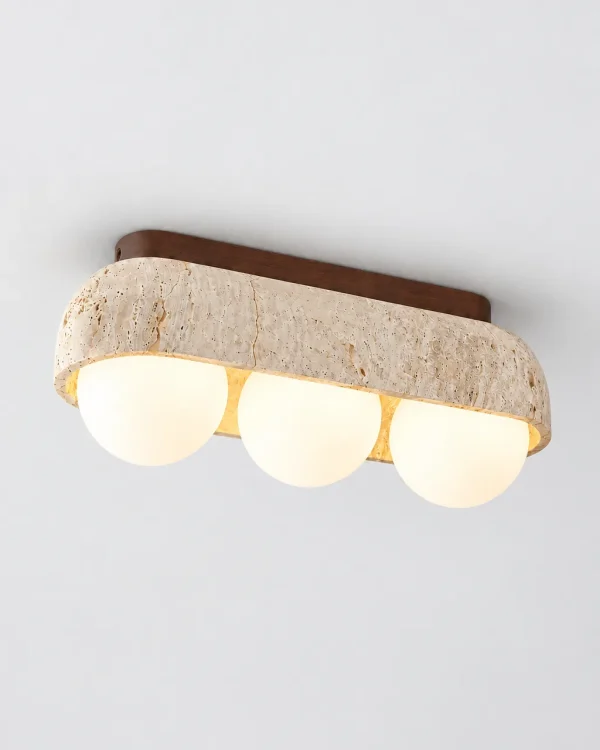
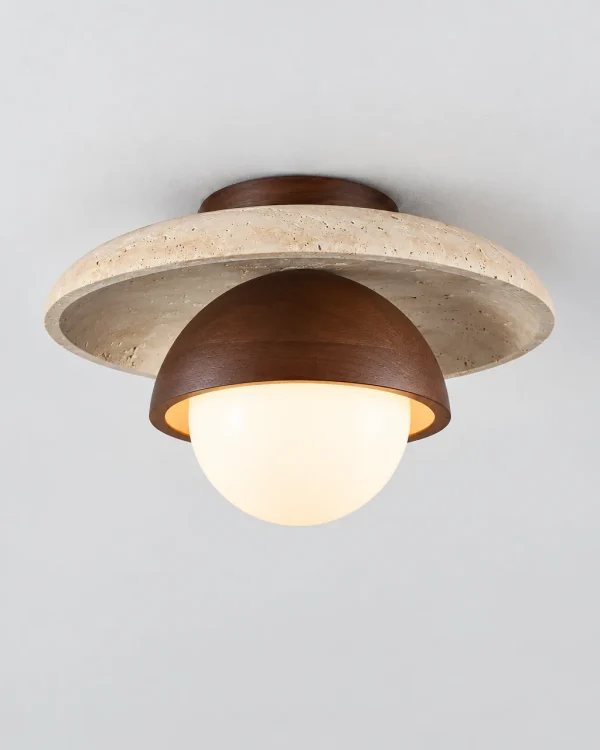
A living room needs ambient light that fills the whole space without glare. These living room ceiling lights pair exactly that with natural materials: large alabaster discs, double rings in travertine and walnut, spotlight bars for paintings and shelves, and opal glass globes.
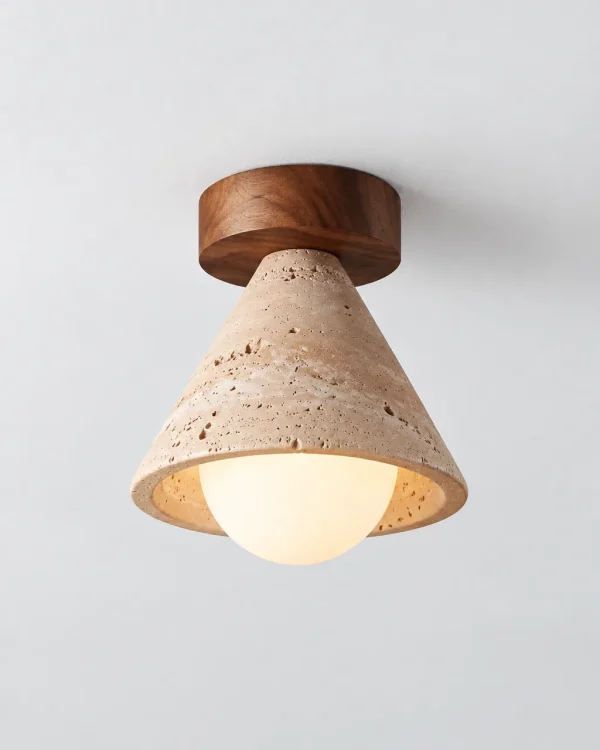
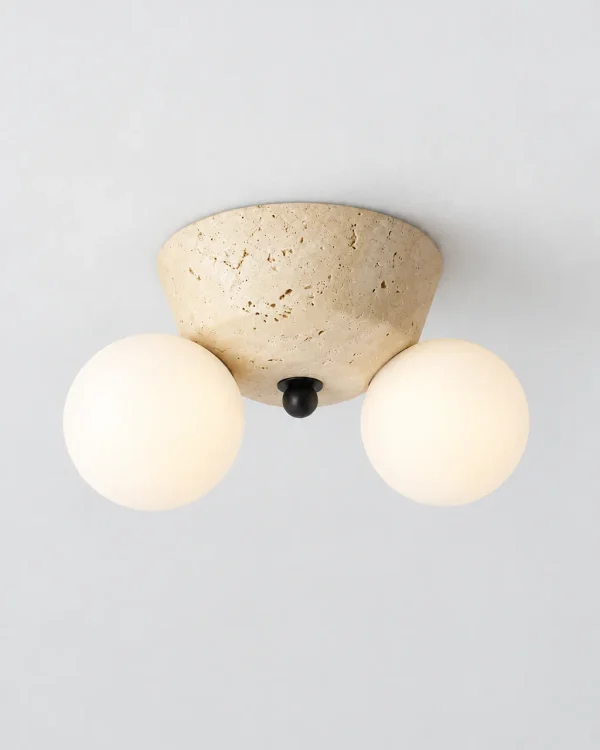
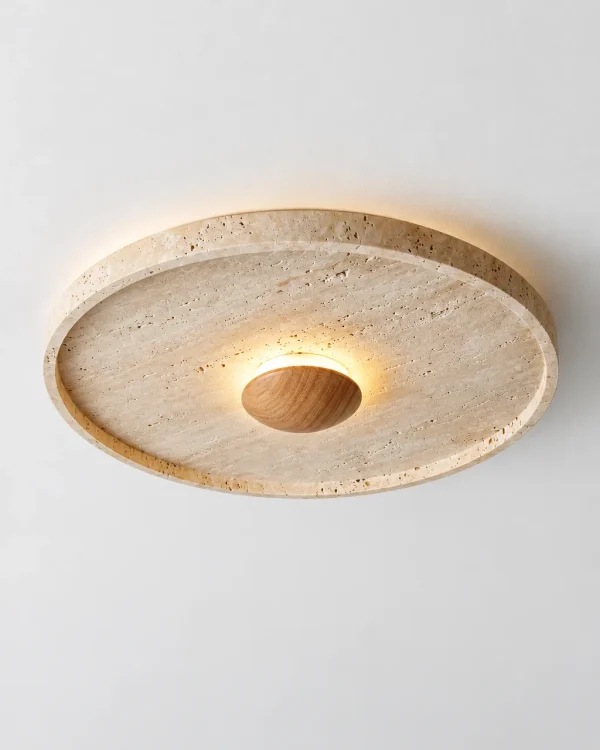
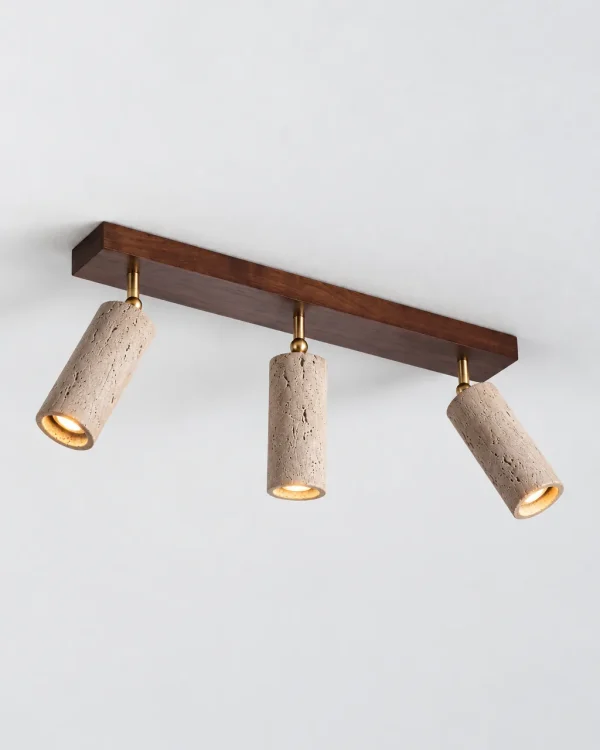
Tips for living room lighting
- Size: in a large living space, the ceiling light can be generous; as a rule of thumb, its diameter is one tenth of the room’s diagonal.
- Layered light: combine the ceiling light with floor, table or wall lights for a homely mood in the evening.
- Colour temperature: warm white (around 3000 K) feels cosiest in the living room.
Dimensions, bulbs and installation are listed on each product page.
Frequently asked questions
Which ceiling light works best in a living room with a low ceiling?
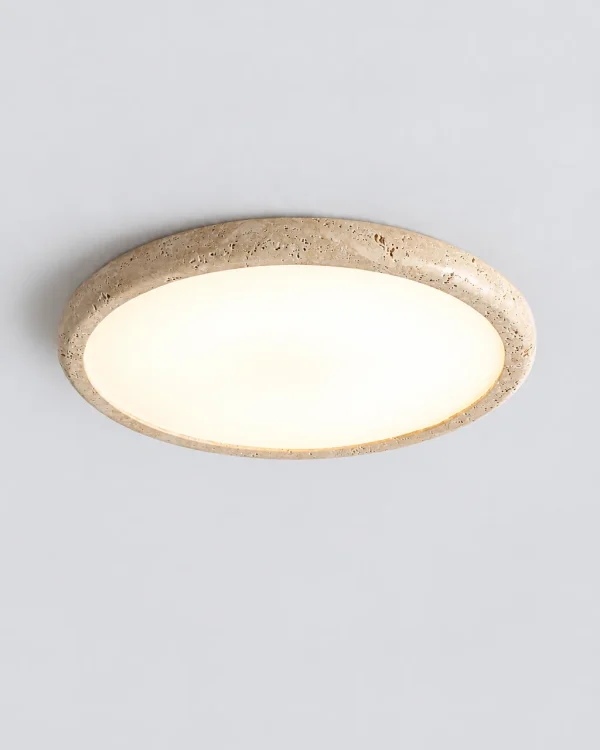
With limited ceiling height, very slim models are ideal because they take up almost no headroom. The travertine ceiling light ZELIA is just 5.5 cm high, and the alabaster disc FENZE only 5 cm. JILO also sits flush against the ceiling and spreads its light across a large, evenly lit surface.
Can I dim a living room ceiling light?
That depends on the model and the version you choose. FENZE and BILPI come in warm white (3000 K) with a Triac-dimmable option, which needs a compatible Triac (leading-edge) wall dimmer. BATRAZ also offers a dimmable version alongside warm white, neutral white and cool white.
What is the difference between alabaster and travertine ceiling lights?
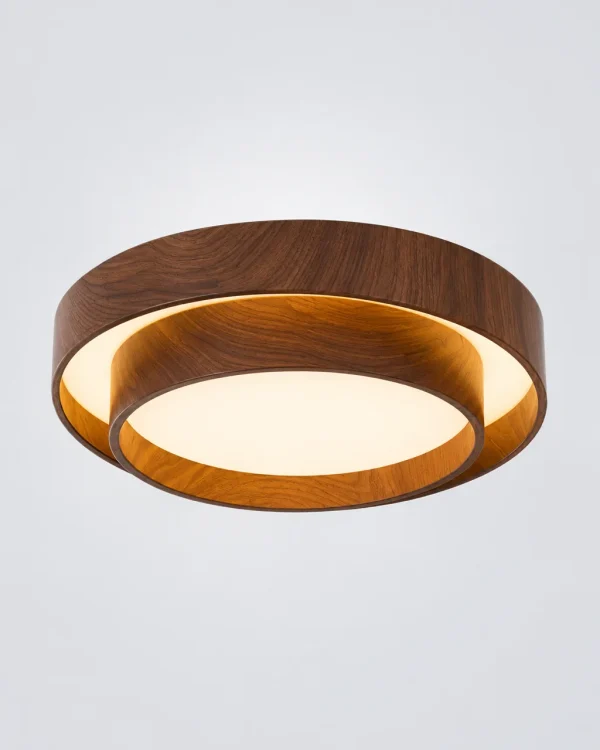
Alabaster is translucent: on BILPI or TSARUK the light shines through the stone and reveals its cloud-like veining. Travertine is denser and porous, so it frames the light instead, as in the stone ring of NADIA or the travertine and walnut double ring of NOMI. Alabaster feels luminous, travertine calm and earthy.